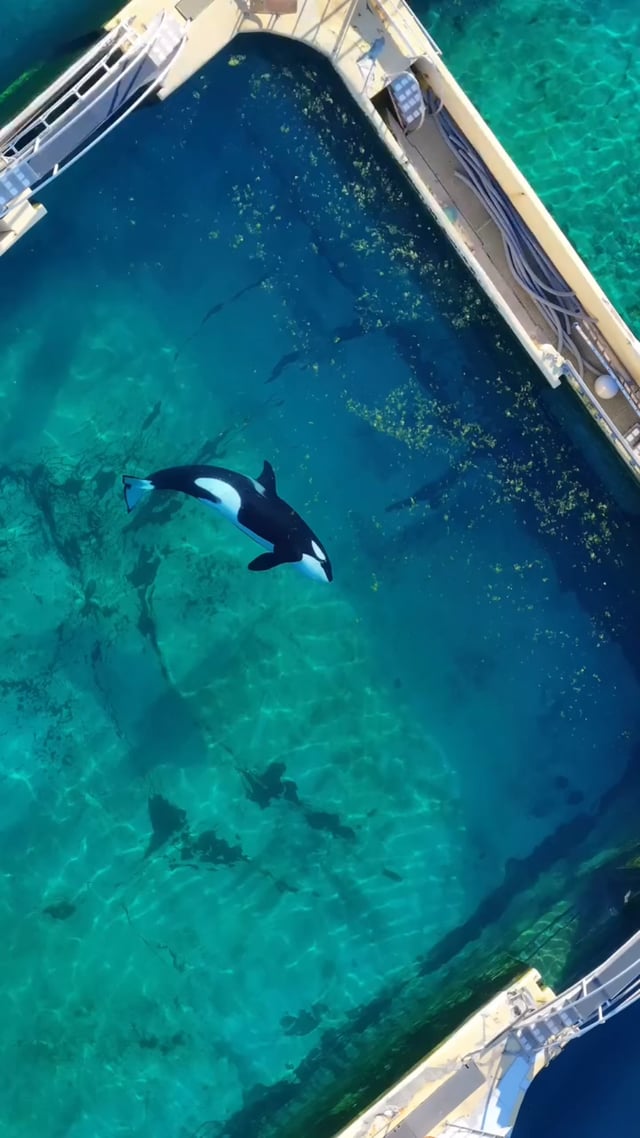
The Dawn of an Era: France's Landmark Move Towards "Dauphins Sans Spectacle"
In a bold and progressive stride for animal welfare, France is making headlines with its pioneering commitment to phasing out marine mammal shows. The French government's monumental decision signals a definitive shift towards a future where intelligent cetaceans, specifically dolphins and orcas, will no longer be performers in captive spectacles. This landmark move, often encapsulated by the evocative phrase "dauphins sans spectacle" (dolphins without a show), is reshaping the landscape of marine parks and setting a powerful precedent for global animal rights advocacy.
For decades, dolphin and orca shows have been a cornerstone of many marine parks, drawing millions of visitors worldwide. Yet, beneath the surface of captivating leaps and synchronized acrobatics, a growing ethical debate has simmered. Animal welfare advocates have consistently argued against the inherent cruelty of keeping these highly intelligent, social, and wide-ranging creatures in confined environments, often leading to physical and psychological distress. France's legislative action is a direct response to these concerns, marking a significant victory for those who have tirelessly championed the cause of marine wildlife.
Understanding the Landmark Decree: A Phased Approach to Change
The genesis of this transformation lies in a ministerial decree published in late 2020, which outlined a comprehensive plan for French delphinariums to cease their shows with marine mammals. While it is crucial to understand that this is not a total ban on captivity itself, it represents a profound re-evaluation of how these animals are housed and interacted with. The decree sets a strict deadline: by 2027, the last remaining delphinariums in France must discontinue all performances and direct interactions with the public.
Key provisions of this groundbreaking legislation include:
- End of Shows and Direct Interaction: By 2027, all spectacular performances, tricks, and direct physical interactions between marine mammals and the public will be forbidden. This means the end of traditional dolphin and orca shows as we know them.
- Reproduction Ban: The decree strictly prohibits the reproduction of dolphins and orcas in captivity within France. This measure is designed to gradually phase out the existing captive populations, ensuring that no new animals are born into environments that will no longer host shows.
- Acquisition Ban: Similarly, the acquisition of new marine mammals, whether from other facilities or the wild, is now prohibited. This prevents the replenishment of existing populations and reinforces the commitment to a finite number of captive animals.
- Stricter Basin Conditions: The regulation also mandates more stringent conditions for the design and maintenance of cetacean enclosures, aiming to provide a more enriching and naturalistic environment for the animals currently under care. This includes larger spaces, varied habitats, and improved welfare standards.
This phased approach allows existing facilities time to adapt and explore new models of operation, emphasizing care and rehabilitation over entertainment. It’s a complex undertaking, requiring significant investment and strategic planning, but the intention is clear: to move towards a more ethical coexistence with these magnificent creatures, paving the way for a future of dauphins sans spectacle.
Why "Dauphins Sans Spectacle" Matters: A Victory for Animal Welfare
For animal protection associations, France's decision is not just a policy change; it's a monumental victory, years in the making. Groups like One Voice and Sea Shepherd have long decried the inherent suffering of cetaceans in delphinariums, presenting compelling arguments that highlight the profound disconnect between the natural lives of these animals and their existence in captivity.
Dolphins and orcas are highly intelligent, self-aware, and incredibly social animals with complex communication systems. In their natural ocean habitats, they travel vast distances, engage in intricate social structures, hunt cooperatively, and display a wide range of natural behaviors. Confining them to artificial pools, no matter how well-maintained, restricts these fundamental aspects of their existence. Critics argue that this leads to:
- Physical and Psychological Stress: The small size of tanks compared to their natural range can lead to chronic stress, repetitive behaviors (stereotypies), and aggression among animals.
- Boredom and Lack of Stimulation: Despite efforts at enrichment, the limited environment cannot replicate the constant novelty and challenges of the ocean, leading to profound boredom.
- Unnatural Behaviors: Training methods, often reliant on food deprivation, force animals to perform unnatural tricks that bear no resemblance to their wild behaviors.
- Health Issues: Captive environments can expose animals to pathogens they wouldn't encounter in the wild, and stress can compromise their immune systems. The lack of natural hunting and foraging also impacts their physical well-being.
The concept of dauphins sans spectacle is therefore a plea for dignity, recognizing that these creatures deserve more than to be props in human entertainment. Advocates envision a future where captive cetaceans, particularly those unsuitable for rewilding, can live out their lives in spacious, naturalistic sea sanctuaries, focusing on their well-being rather than their performance.
Navigating the Transition: Challenges and Hopes for Delphinariums
While celebrated by animal rights groups, the decree presents significant challenges for the delphinariums themselves. Operators argue that these facilities play a crucial role in scientific research, public education about marine life, and conservation efforts. They also highlight the immense complexity, and often impossibility, of reintroducing animals born and raised in captivity back into the wild. These animals lack crucial survival skills, social integration, and disease resistance needed for open-ocean living.
The question of how to adapt these structures to the new regulations is paramount. Various projects for reconversion are being explored, including transforming them into dedicated rehabilitation centers for injured wild marine animals, or even pioneering sea sanctuaries where captive animals can experience a more natural, expansive environment. However, the financial implications are staggering, and the logistical feasibility remains uncertain. The transition will undoubtedly be long, complex, and costly.
For a deeper dive into the immediate implications of these changes and the practical steps delphinariums must take, you can read more about France's Dolphin Show Ban: What Happens to Marine Mammals by 2027? This article explores the operational shifts and compliance requirements facing these facilities.
Beyond the Performance: The Ethical Future of Marine Mammal Care
The move towards dauphins sans spectacle reflects a broader societal shift in ethical considerations surrounding animal welfare. Public awareness has grown significantly, fueled by documentaries, social media, and persistent advocacy. Today's audiences are more informed, and their perspectives on watching captive animal performances are increasingly critical. This changing sentiment puts pressure on entertainment venues to evolve or risk losing public support.
What does an ethical future for marine mammal care look like? It involves a commitment to:
- Sanctuary Models: Supporting the development of accredited sea sanctuaries where captive cetaceans can live in vast, naturalistic enclosures, free from performance demands.
- Genuine Research and Conservation: Focusing on non-invasive research that benefits wild populations and genuine rescue and rehabilitation efforts for animals that can be returned to the wild.
- Educational Outreach: Providing educational experiences that emphasize conservation, natural behaviors, and the importance of healthy ocean ecosystems, rather than sensationalized performances.
- Responsible Tourism: Encouraging tourists to choose ethical wildlife viewing opportunities, such as responsible whale and dolphin watching in the wild, that prioritize animal well-being and minimal disturbance.
The French initiative is a powerful statement that entertainment should not come at the expense of animal welfare. It pushes the boundaries of what is considered acceptable interaction with highly intelligent wild animals and challenges other nations to consider similar reforms. The long-term vision, explored further in Beyond the Spectacle: The Future of French Delphinariums Post-2027, involves a complete reimagining of marine parks and their role in a more compassionate world.
Conclusion: A New Horizon for Marine Life in France
France's unwavering commitment to fostering an environment of dauphins sans spectacle by 2027 represents a pivotal moment in the global animal welfare movement. It acknowledges the inherent value and complex needs of dolphins and orcas, moving beyond their utility as entertainers. While the journey of transition for existing delphinariums will undoubtedly be fraught with challenges, it simultaneously opens doors to innovative solutions focused on rehabilitation, sanctuary, and genuine conservation.
This landmark decision serves as an inspiration and a challenge to other nations worldwide, urging them to re-evaluate their own practices regarding marine mammal captivity. As the final curtain falls on these aquatic shows in France, a new horizon emerges – one where respect, empathy, and the well-being of these magnificent creatures take center stage, promising a future that is truly better for marine life.